
As another year comes to a close and you look forward to the next, one thing you may consider doing is taking a look at your budget. Two of the most expensive bills you likely have are for your heating and cooling systems. If you’re like any other budget-conscious homeowner, you’re looking for ways to increase the efficiency of your HVAC system. This can go a long way in reducing your energy bills throughout the entire year.
Install a Smart Thermostat
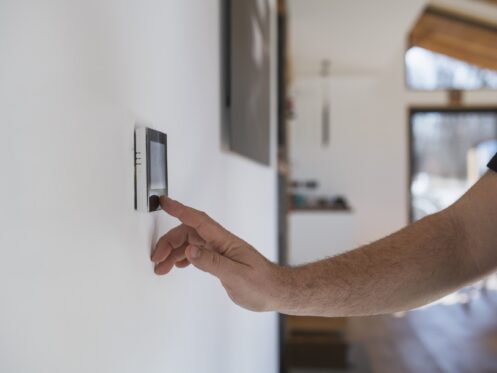
Probably one of the easiest and most effective solutions for optimizing HVAC performance is installing a smart thermostat. Unlike traditional thermostats, smarter models automatically adjust your heating and cooling settings. They follow your schedule, habits, and occupancy patterns to determine the appropriate settings to meet your needs. This goes a long way in eliminating unnecessary energy waste and enhancing your overall comfort.
A smart thermostat allows you to easily control settings via your smartphone or other smart device. You can change your settings at any point when your plans change unexpectedly. Many smart thermostats also provide detailed energy usage reports. These reports help you identify areas of energy waste and allow you to see how changes to your thermostat affect your bills in real time.
What’s The Best Thermostat Setting?
The best thermostat setting really depends on your unique preferences. What works for one house doesn’t always work best for the next. The goal is to optimize your home comfort and overall efficiency. During the winter months, most HVAC professionals recommend setting your thermostat to around 68 degrees Fahrenheit. During overnight hours and when you’re away from home, opt for lowering the temperature by between seven and 10 degrees. This can provide a noticeable difference in energy savings without sacrificing your comfort.
When it comes to the hotter summer months, most experts agree that 78 degrees is an ideal temperature setting. Opt for raising the temperature at times when you’re away from home to reduce your cooling costs. Furthermore, you can utilize ceiling fans to optimize your comfort without turning the temperature down on your thermostat. Whatever the season, keeping your energy bills in check relies on maintaining consistent thermostat settings. Avoid dramatic temperature swings.
Schedule Routine HVAC Maintenance
Another must-do for every homeowner is scheduling HVAC maintenance. Maintenance falls into two different categories, which include professional and homeowner maintenance. As a homeowner, you should check the air filter on your system once a month and replace it whenever necessary to ensure optimal system performance. If you have a central air conditioner or heat pump, make sure you clean around your outdoor condenser unit regularly.
Professional HVAC maintenance needs to be done twice a year. Aim for heater maintenance in the early fall and air conditioner maintenance in the early spring. This maintenance includes inspecting critical components, cleaning internal components, lubricating them, and much more. This service helps maintain the warranty coverage on your system and ensures it operates safely and efficiently.
Change Air Filters
Most homeowners find they need to change their HVAC filters every two to three months. It’s a good rule of thumb to pull your filter out once a month and check it. You can do this by holding it up to a light. If you can’t see through the filter, you need to replace it. You can purchase different types of air filters with various ratings. All filters have a MERV rating, with a higher rating designating better filtering capability.
Ideally, you want to purchase a filter with optimal filtering capabilities to prevent unwanted debris from entering the internal components of your HVAC unit. It’s typically best to purchase a filter with a rating of at least seven. Those who suffer from allergies, asthma, and respiratory conditions may want to consider a filter with a rating between 11 and 13. These filters do come at a higher premium but offer more comfort for your home.
Optimize Insulation & Seal Air Drafts
One of the biggest factors that can influence your HVAC system usage is the outside temperature. Anytime the outdoor temperature penetrates your home, it can alter your interior temperature. For example, if you have air drafts around your doors and windows, cold air can seep in during the winter. This can cause your indoor temperature to drop, and your heating system will run constantly to bring it back up to temperature.
Sealing up air leaks in your home is the key to minimizing the effect outdoor temperatures have on your interior comfort. Additionally, consider upgrading your insulation to meet or exceed the standards in your area. With adequate insulation, you can further reduce heat transfer between the inside and outside of your home. This helps maintain a more consistent indoor temperature without constantly running your HVAC system.
Control Humidity Levels
Humidity plays a big role in your overall household comfort and how you use your HVAC system. During the summer months, high humidity can make your home feel hotter than it actually is. This often leads homeowners to turn the thermostat down significantly, increasing the usage of their cooling systems. During the winter months, low humidity can make the air feel colder than it actually is.
In response, you may raise the temperature on your heating system and cause it to run more often. Investing in whole-home humidifiers and dehumidifiers allows you to actively control the relative humidity in your home. Experts recommend setting indoor humidity between 30% and 50% for optimal comfort. When you feel more comfortable at the right humidity level, you will run your HVAC system less often.
Upgrade Your HVAC System
All HVAC systems have an expected lifespan. Whenever your system nears the end of that lifespan, it’s best to consider an upgrade before it completely fails. In general, most central air conditioners and ductless mini-split systems last about 15 to 20 years. Furnaces that burn propane, natural gas, or heating oil typically last 15 to 20 years. Those that use electricity last between 20 and 30 years. Standard heat pumps usually last about 10 to 15 years.
When you upgrade your heating or cooling system, you can expect improved operating efficiency. This often leads to lower utility bills and enhanced comfort. Many HVAC units come with modern technologies, like variable-speed blowers that adjust output depending on your needs. One of the biggest factors to consider is the efficiency rating of your system. Choosing a system with a higher efficiency rating leads to greater energy savings.
Request HVAC Service From Comfort First Heating & Cooling
Comfort First Heating & Cooling is your go-to expert for HVAC services in Gillette, IL. We offer 24/7 emergency services when necessary and instant online quotes. All our technicians are NATE and EPA certified. With hassle-free appointment scheduling, upfront pricing, and no hidden costs, we’re your expert choice for all your heating and cooling needs. We have over 30 years of industry experience and offer easy online scheduling for all our customers.
Contact Comfort First Heating & Cooling for all your maintenance and upgrade needs.

